NAS File Server for business: centralized storage, secure backup and easier maintenance
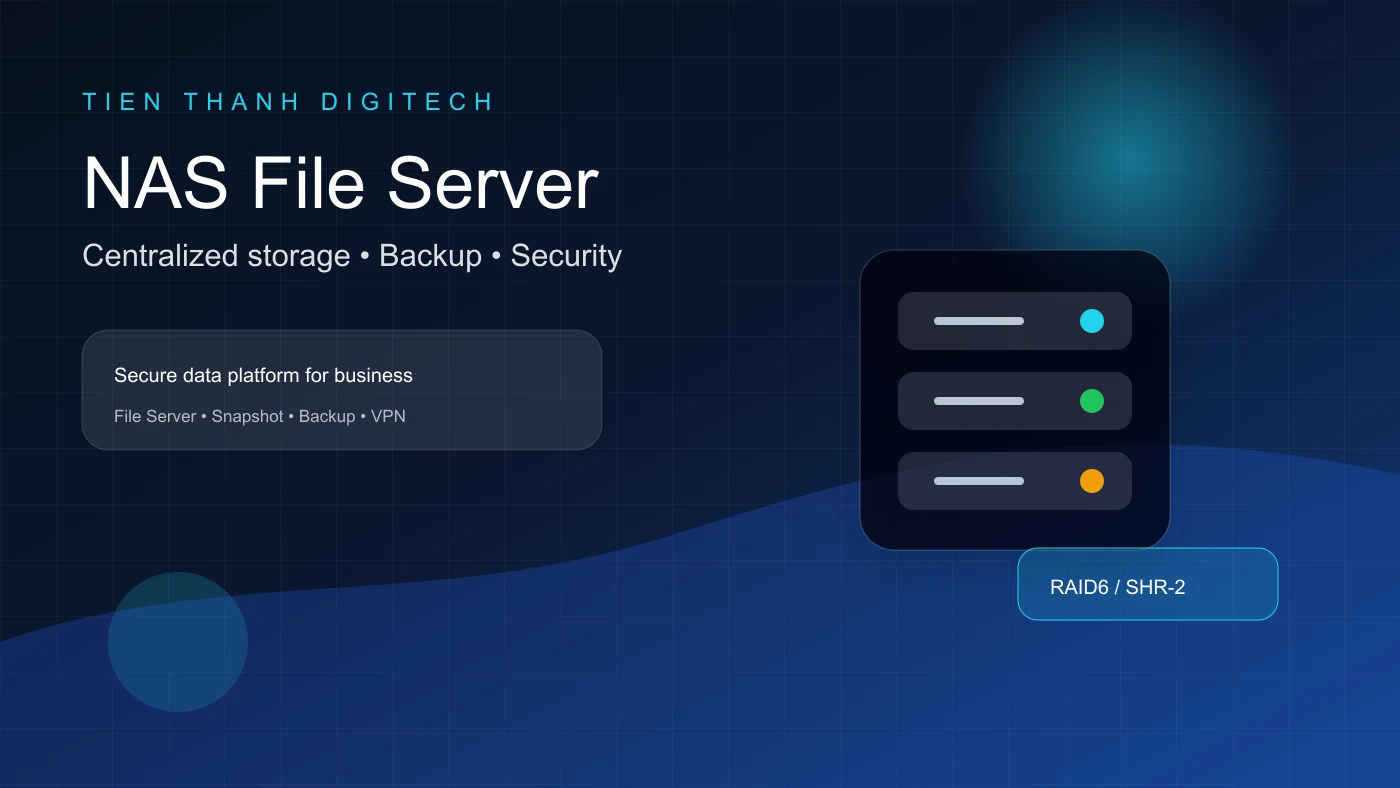
A good NAS is not just a box for files. It is a managed data platform with permissions, snapshots, backup, security controls and a maintenance process.
Technology blog
Insights, deployment guides and practical selection notes for ELV, iBMS, CCTV, networking, servers and business software.

A good NAS is not just a box for files. It is a managed data platform with permissions, snapshots, backup, security controls and a maintenance process.

The next wave of digital transformation is moving from passive AI answers to action-oriented systems that plan, use tools and automate real workflows.

A 4MP IP CCTV system should be surveyed, cabled, configured and tested with clear storage, security and handover documentation.

A good backup plan has multiple copies, different storage media, one offsite copy and regular restore tests.

A CCTV quotation depends on more than device count. Viewing angle, retention time, network design and installation conditions all matter.

Warehouse CCTV should cover movement routes, loading points, blind spots and incident investigation areas.

A Cisco router should be configured with clear addressing, secure access, NAT, policies, VPN and tested rollback plans.

DrayTek routers are practical for SMBs when WAN backup, VPN and policy-based management are configured properly.

A strong ELV system needs clear operating goals, cable routes, central devices, scalability and handover documentation.

Enterprise CCTV needs the right viewing zones, retention period, bandwidth, access control and remote viewing setup.

Regular CCTV maintenance keeps recordings usable, reduces downtime and helps detect security gaps early.

Enterprise WiFi is designed for many users, seamless roaming, centralized management and stronger security policies.

Factory access control should separate zones, shifts and user permissions while keeping attendance data and security logs reliable.

iBMS helps service buildings improve response time, energy visibility, alarm handling and operational consistency.

IP cameras are better for scalability and integration, while analog may fit simple upgrades on existing coaxial cabling.

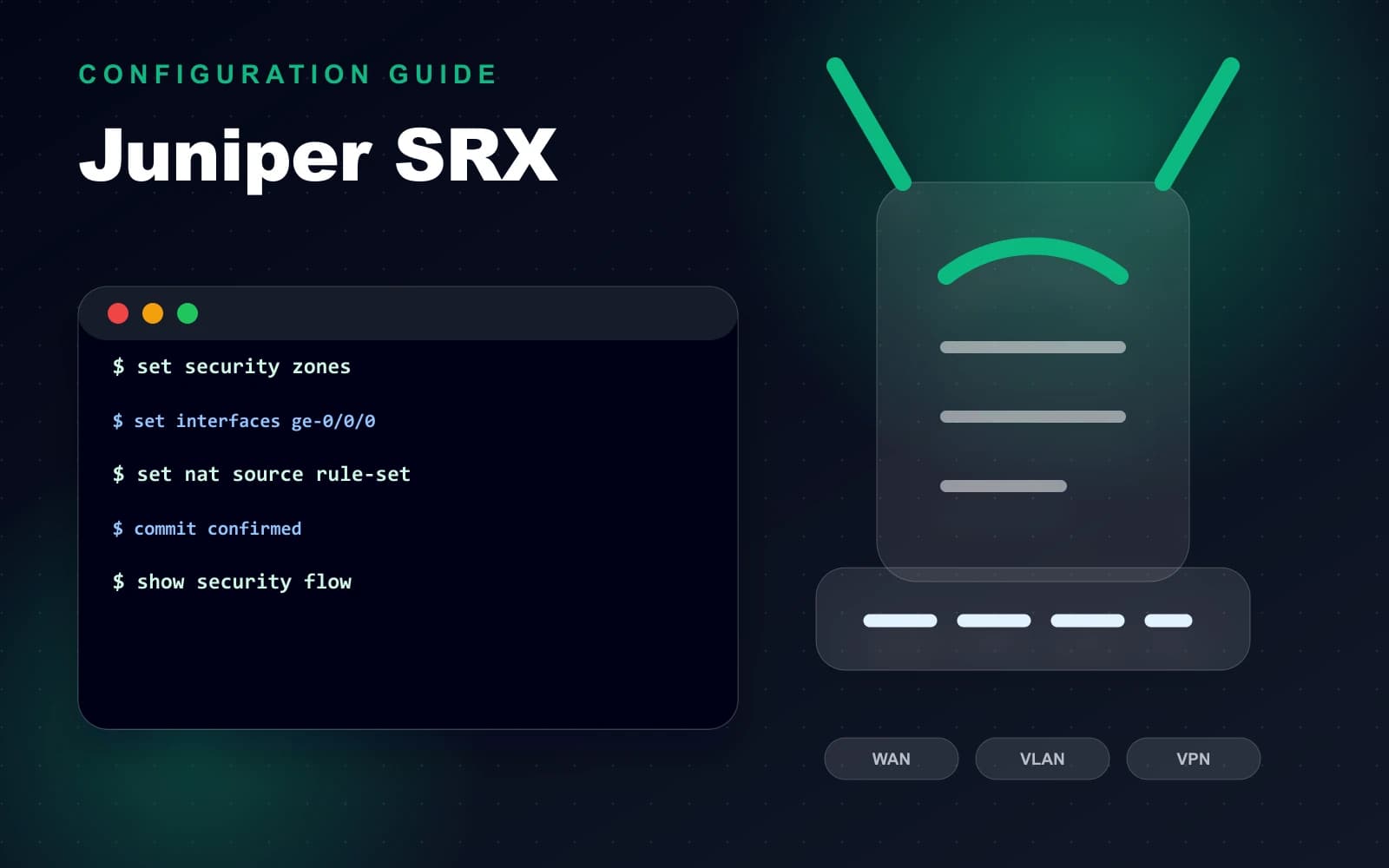
Juniper is strong for policy-driven security and routing when interfaces, zones and commit workflow are planned carefully.

LAN work should be tested and documented before handover so future maintenance and expansion stay predictable.

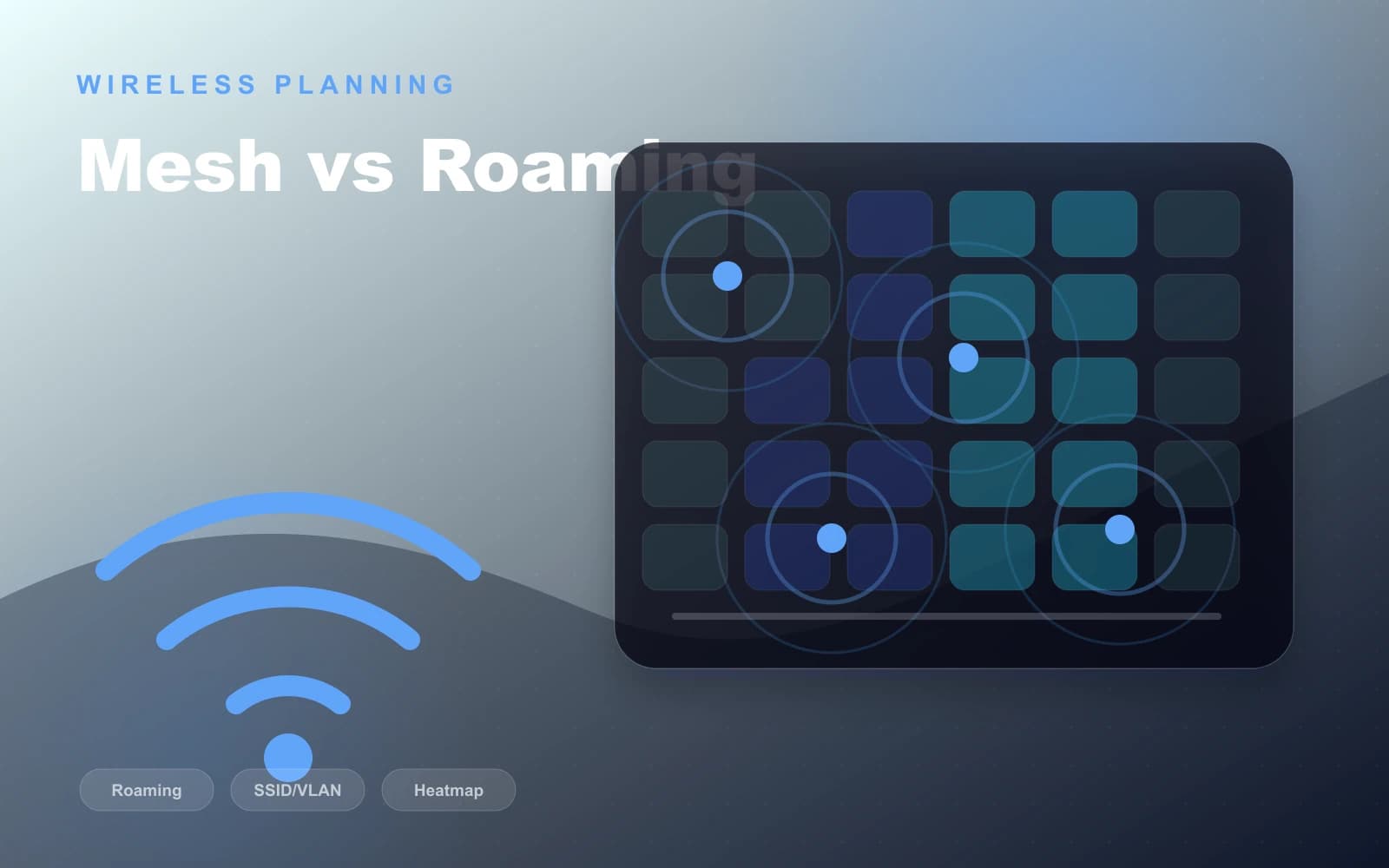
Mesh connects access points wirelessly, while roaming is the client experience when moving between access points.

MikroTik is flexible and cost-effective when firewall rules, address lists, queues and backups are organized carefully.

The best NAS brand depends on ease of management, app ecosystem, performance, backup design and support expectations.

A neat rack and well-labeled cabling reduce downtime, troubleshooting time and expansion risk.

Effective access control should match traffic flow, security level, headcount and attendance integration needs.

An accurate ELV quotation needs floor-plan data, device quantities, cable routes, operating requirements and handover scope.

A reliable office network starts with clear user count, device groups, cable routes, rack design and security policy.

Onedeli helps store owners sell faster, control inventory, track revenue and issue compliant electronic invoices.

Ruijie is suitable for SMB deployments that need practical routing, WiFi management and cloud-based operation.

The right choice depends on data size, user count, applications, security requirements, backup strategy and budget.

The right SMB router depends on budget, security level, branch VPN, WiFi ecosystem, support model and IT skill level.

IP cameras are flexible, scalable and easier to integrate with networks, storage, access control and remote monitoring.

iBMS is the digital operation layer that connects building systems, alarms, energy data and control dashboards.

Face attendance helps reduce manual records and card sharing, but it needs proper installation, policy and data handling.

WiFi 6 and WiFi 7 are not only about speed. Their value is stability, density, roaming and application performance.

Choosing a WiFi generation should be based on client devices, density, applications, cabling and switching readiness.