Technology
2026 Technology Trends: when AI takes action and infrastructure becomes strategy
Six technology trends businesses should watch in 2026: AI agents, AI infrastructure, quantum computing, physical AI robots, biotechnology and green building materials.
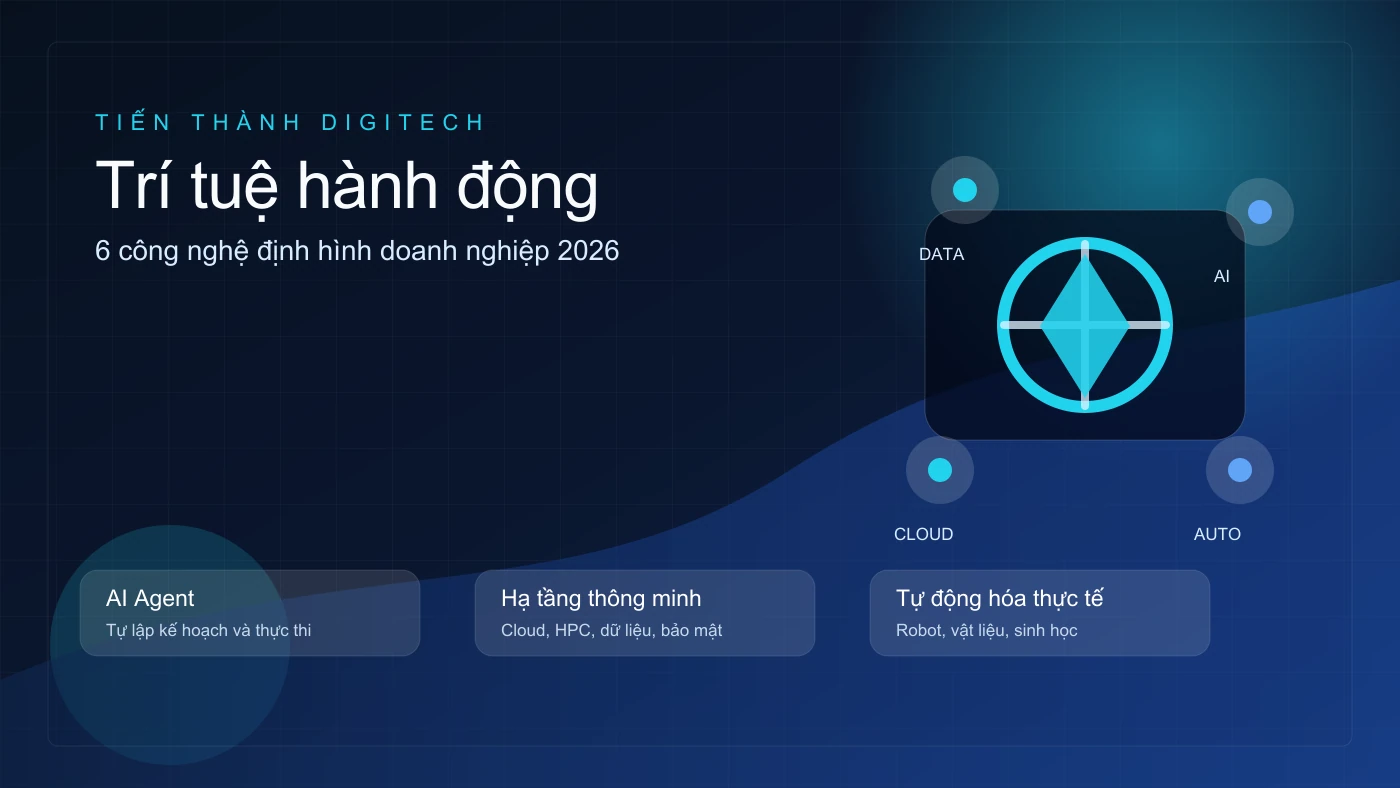
Overview: from passive AI to action intelligence
The next stage of enterprise AI is moving beyond simple question-and-answer workflows. Systems are increasingly expected to receive a goal, split it into tasks, use business tools, retrieve data and return an operational result.
This does not mean every company must adopt every emerging technology immediately. The practical goal is to understand the direction of change and choose a small number of investments that improve reliability, reduce operating cost or create a measurable competitive advantage.
- AI agents automate repeatable workflows.
- AI infrastructure makes data and compute capacity a strategic asset.
- Quantum computing creates long-term security and optimization questions.
- Physical AI brings automation into factories, warehouses and services.
- Biotechnology and green materials create new value chains beyond software.
1. AI agents: digital workers that need governance
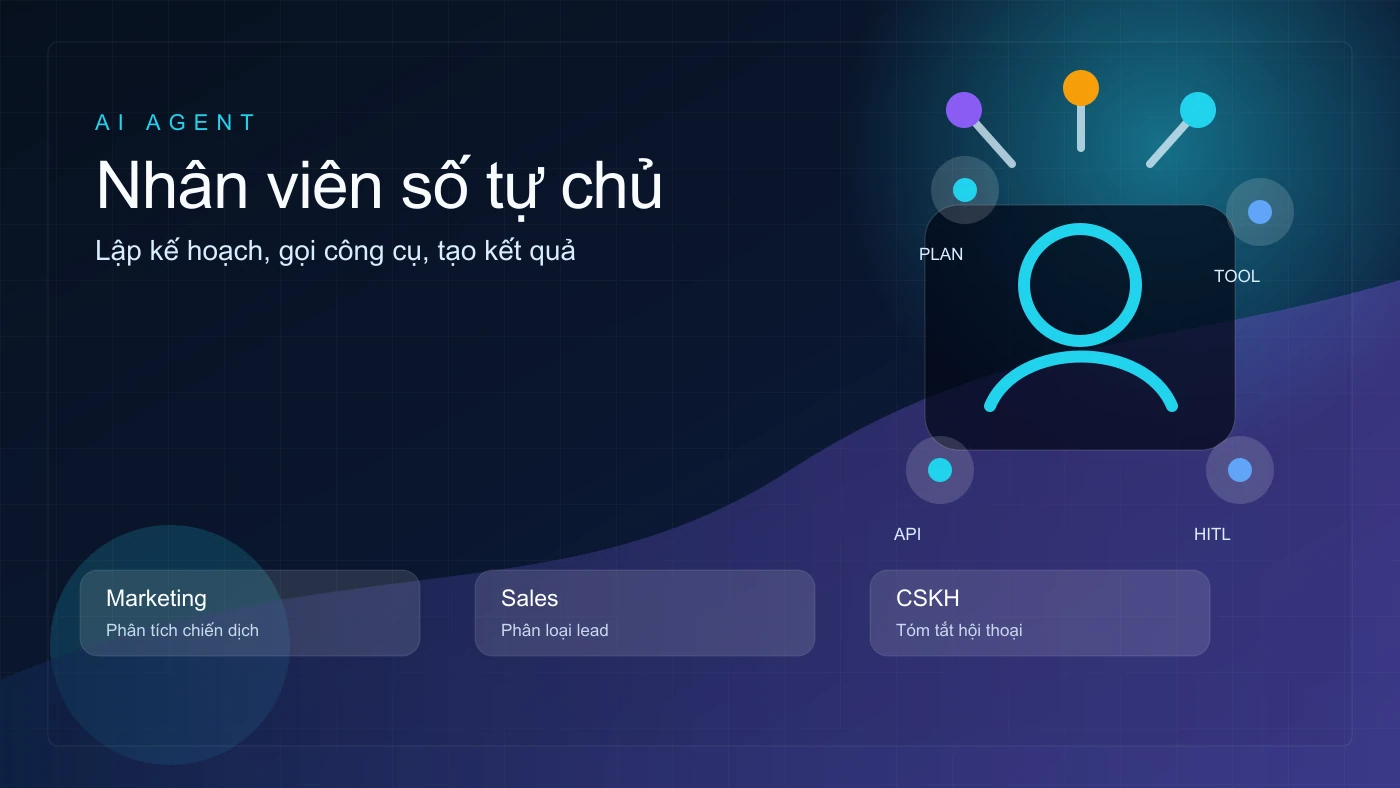
An AI agent is closer to a digital worker than a chatbot. It can plan, search, call APIs, summarize results, create follow-up tasks and hand work back to a human when a decision requires approval.
The strongest use cases are narrow and measurable: report preparation, lead classification, customer support summaries, appointment scheduling, candidate screening, inventory alerts and internal IT assistance.
- ✓Start with one repeatable workflow.
- ✓Clean and structure emails, PDFs, spreadsheets, CRM records and tickets.
- ✓Limit agent permissions by role.
- ✓Keep human approval for sensitive actions such as sending quotations, deleting records or contacting customers at scale.
- ✓Test in a sandbox before using live data.
2. AI infrastructure and supercomputing: the power plant of digital business
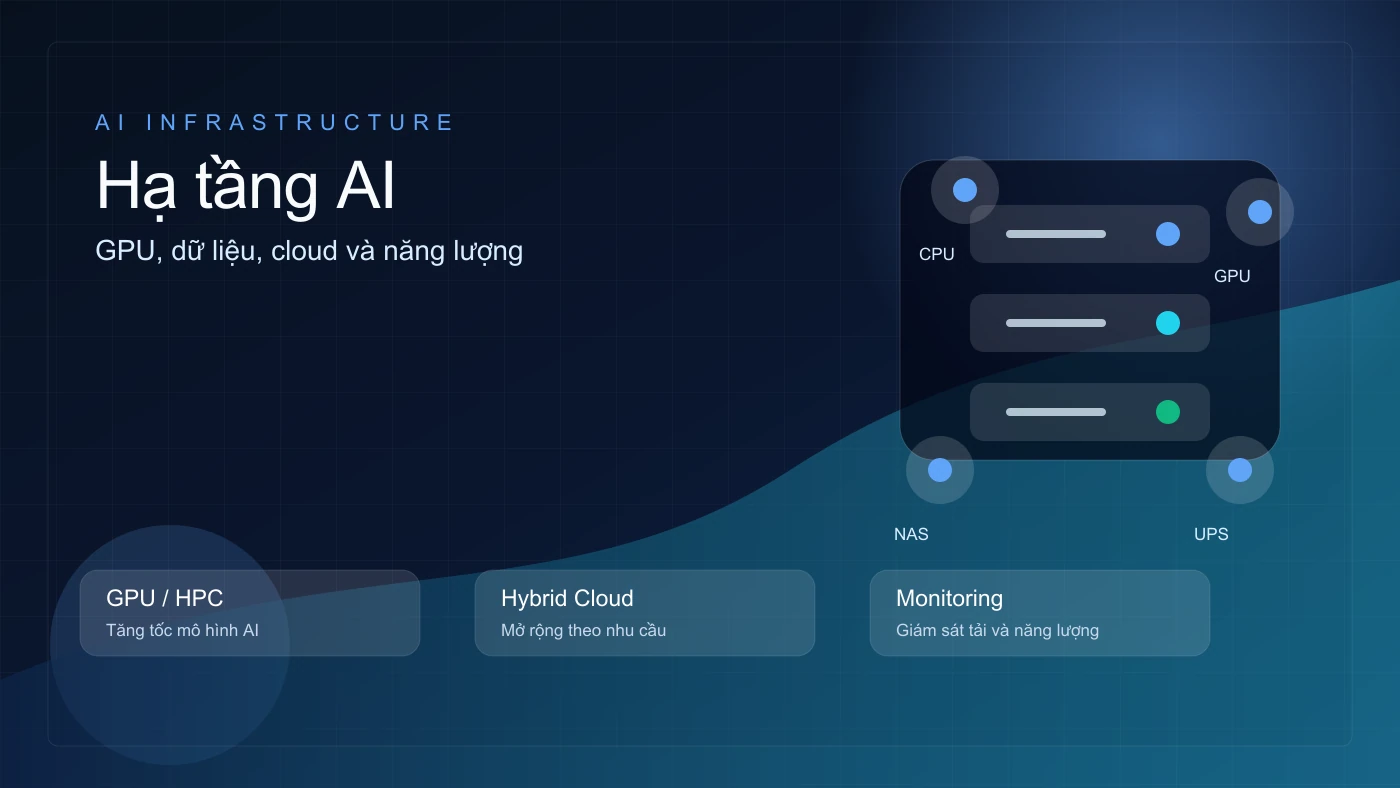
Modern AI requires more than a normal office server. Training, inference, computer vision, simulation and real-time analytics need CPU, GPU, high-speed storage, reliable networking and clear data governance.
For most small and mid-sized businesses, cloud or hybrid cloud is the practical starting point. Buying GPU servers only makes sense when the workload is stable, sensitive enough to keep on-premise and supported by a capable technical team.
- Use cloud GPU or HPC as a service before investing in dedicated hardware.
- Keep sensitive datasets under clear access control.
- Design networking, backup and monitoring before scaling AI workloads.
- Estimate electricity, cooling, maintenance and depreciation, not only hardware cost.
3. Quantum computing: experiment early, secure data now
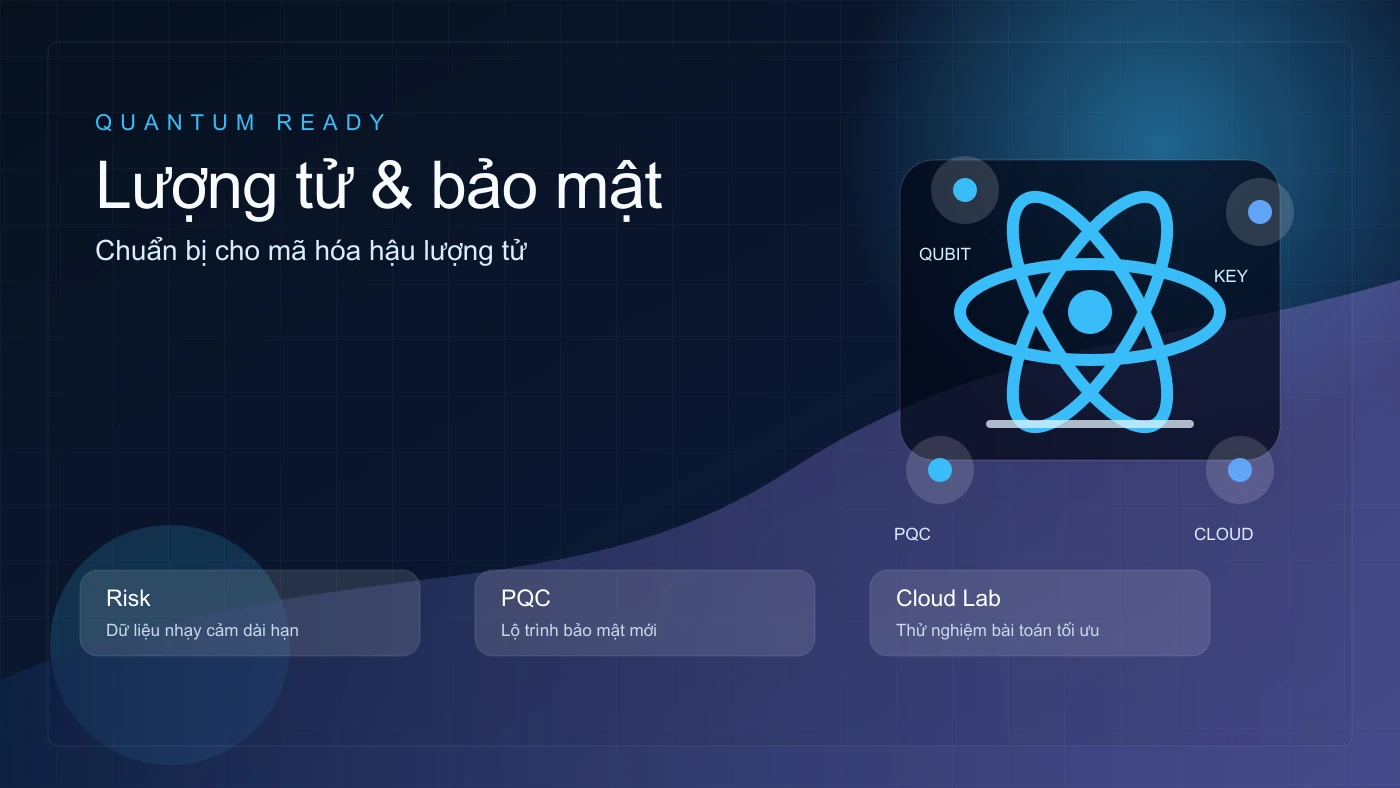
Quantum computing uses qubits and may eventually help with complex optimization, molecular simulation, material discovery and portfolio modeling. In 2026, most businesses should approach it through cloud experimentation rather than direct ownership.
The more immediate business issue is post-quantum security. Data that must remain confidential for many years should be reviewed because future quantum capabilities may threaten some current encryption methods.
- ✓Inventory systems that use encryption: VPN, certificates, email, storage, backup and customer portals.
- ✓Identify data that must remain private for 5 to 10 years.
- ✓Track post-quantum cryptography support from software, firewall, HSM and cloud vendors.
- ✓Use cloud quantum services only for specific optimization or research experiments.
4. Humanoid robots and physical AI: automation enters the real world
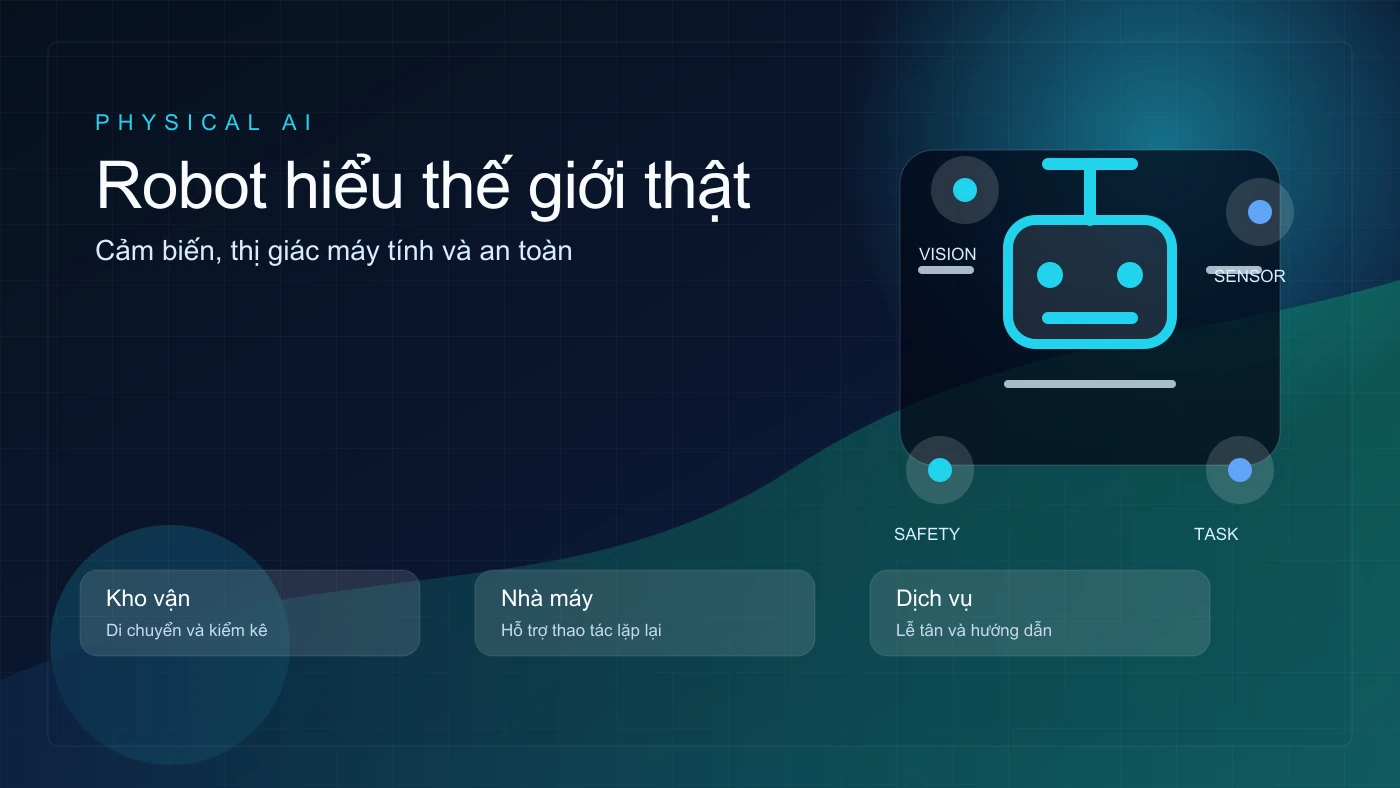
Physical AI allows machines to understand and interact with the real world: obstacles, force, temperature, object position and human movement. The result can be a warehouse robot, an inspection robot, a service robot or a collaborative robot on a production line.
Humanoid robots receive attention, but most early business value will come from narrower automation tasks with clear environments and safety rules.
- Manufacturing: repetitive, risky or precision-heavy tasks.
- Warehousing: movement, sorting, inventory and inspection.
- Retail and services: reception, guidance and basic support.
- Safety design is mandatory: working zones, emergency stop, training and maintenance.
5. Biotechnology: from lab research to commercial value chains
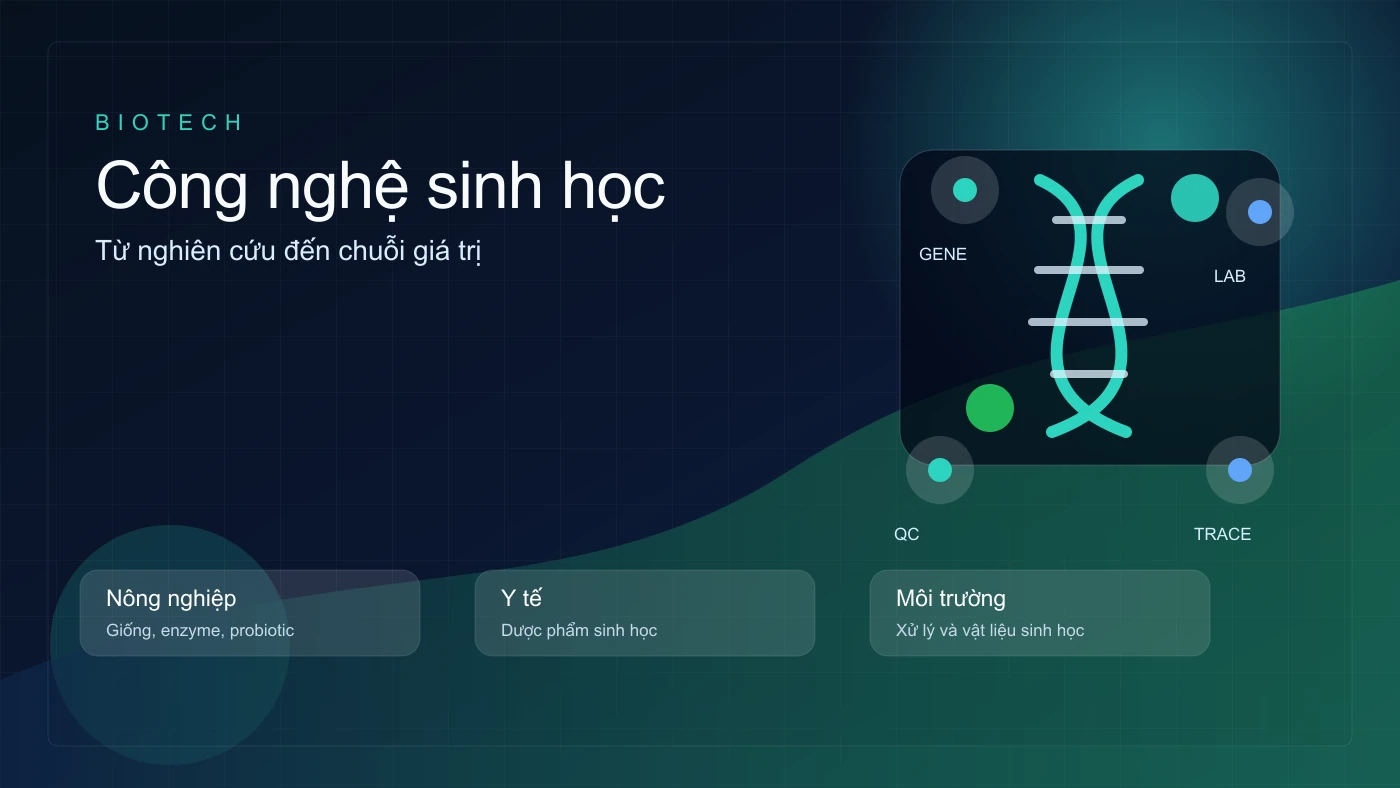
Biotechnology is moving from laboratories into agriculture, healthcare, food, packaging and environmental treatment. Opportunities include crop genetics, vaccines, biological pharmaceuticals, enzymes, probiotics, bio-packaging and pollution treatment.
Businesses do not always need to build a full lab from day one. A realistic path is to work with universities, research institutes, testing labs, manufacturers and distribution partners to commercialize products with clear demand.
- ✓Choose a market with clear demand.
- ✓Control quality standards, certification, traceability and legal documentation from the beginning.
- ✓Use IoT, production data and management software to improve consistency.
- ✓Explore public-private cooperation and research partnerships when available.
6. Green materials and modern architecture: faster, lighter, more efficient
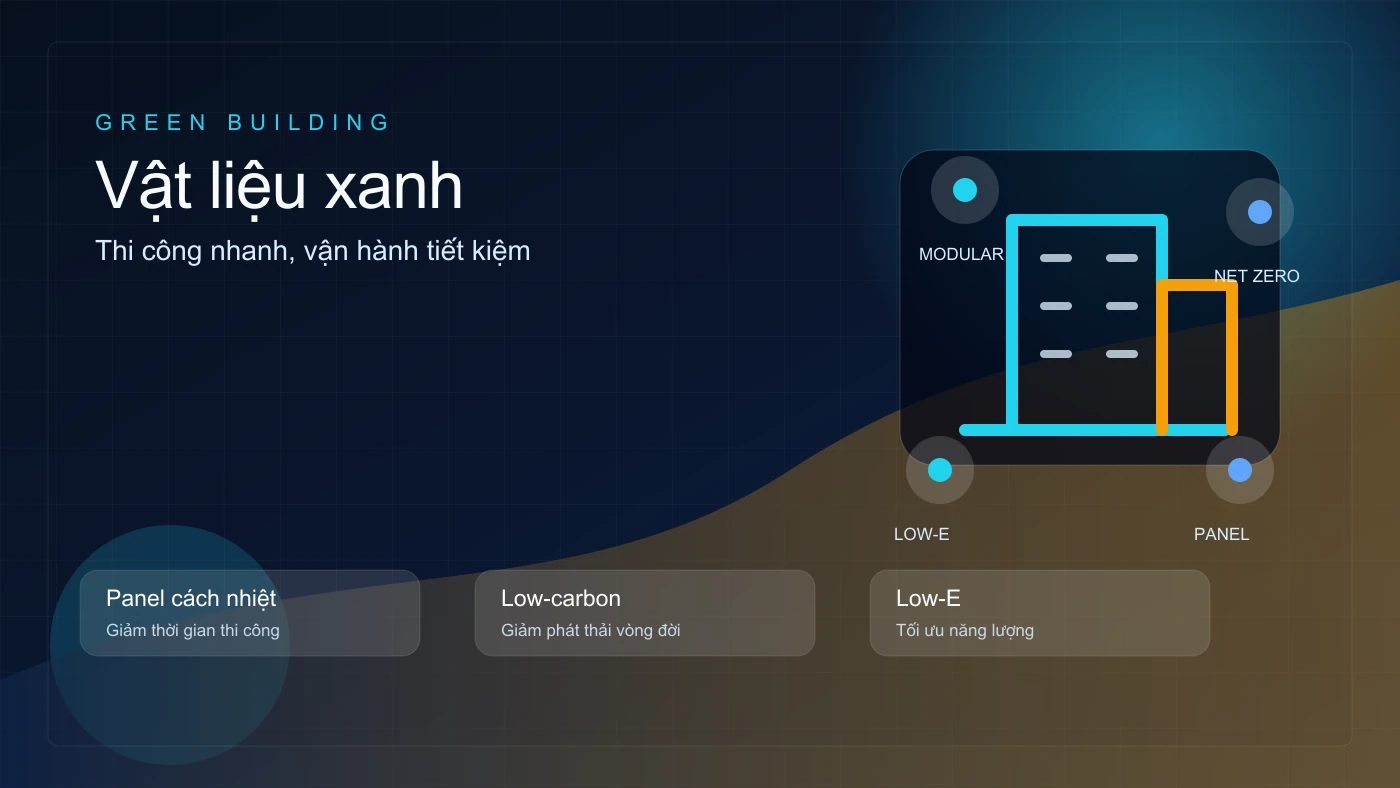
Construction is under pressure from labor cost, schedule risk and environmental requirements. Modular construction, insulated sandwich panels, Low-E glass, low-carbon concrete and reflective materials are becoming more relevant for factories, warehouses and service buildings.
For project owners, the decision should be based on total lifecycle cost: installation speed, durability, energy saving, maintenance and future adaptability.
- Use insulated panel systems where speed and energy performance matter.
- Check fire rating, thermal performance, warranty and certification.
- Standardize modular details to reduce construction errors.
- Evaluate materials by lifecycle cost, not only purchase price.
Action roadmap
The safest way forward is not to chase every trend. Start by cleaning data, documenting processes, securing accounts, improving backup and designing infrastructure that can scale.
Then choose one automation project with measurable ROI. Once the organization learns how to manage intelligent systems, it can expand into more advanced AI, infrastructure, robotics or industry-specific technology.
- ✓Phase 1: clean data, access control, backup and process documentation.
- ✓Phase 2: deploy one focused AI agent use case.
- ✓Phase 3: prepare cloud, network, security, logs and monitoring.
- ✓Phase 4: train teams to supervise and collaborate with AI systems.
- ✓Phase 5: monitor quantum, robotics, biotechnology and green materials for future investment timing.
FAQ
Who is this guide for?
It is written for business owners, project managers, IT teams and facility managers who need to plan a reliable technology system before procurement or installation.
What should be prepared before implementation?
Prepare floor plans, current infrastructure information, operating requirements, user count, security requirements, budget range and expected handover scope.
How can Tien Thanh Digitech support the project?
Tien Thanh Digitech can survey the site, propose a suitable configuration, install the system, test operation and provide handover documentation.
Reader interaction
Rate and discuss this article
Help other readers evaluate the article quality and leave practical implementation questions.
Article rating
Rate the usefulness of this technical article.
Comments
Ask a question or share a field note after reading.
Share article
Send this article through Facebook, Zalo, LinkedIn or email.